

An interlock runs a portable generator you own through your panel. A standby generator starts by itself. How each works, what it powers, and who it suits.
The power goes out after a nor'easter and you are back at the same question. You own a portable generator but the cords run through a cracked window, or you have no generator at all and keep hearing about standby units. Both options can keep a Long Island house running. They work differently, and the right one depends on who is home and what has to stay on.
The short answer: generator interlock vs standby generator
A generator interlock lets a portable generator you already own feed the circuits you choose through your main panel. You wheel it out, plug it into an inlet on the house and switch on the breakers yourself. A standby generator is fixed outside the house and is wired through an automatic transfer switch. It starts by itself when the power drops, and nobody has to be home.
Side by side:
- How it starts — Interlock: you start the generator and plug it in. Standby: it starts by itself.
- Who has to be home — Interlock: someone, to set it up and refuel it. Standby: nobody.
- What runs — Interlock: the circuits you turn on. Standby: whatever the system was designed to carry.
- Fuel — Interlock: whatever the portable uses, refuelled by hand. Standby: often natural gas or propane.
- Where it sits — Interlock: outdoors, at least 20 feet from the house while running. Standby: fixed outside, placed to the manufacturer's instructions and local rules.
- Permit and inspection — Interlock: yes. Standby: yes, plus a gas permit if it runs on gas.
How a generator interlock works
An interlock is a mechanical plate mounted on the main panel cover. It is built so the main breaker and the generator breaker cannot both be on at the same time. That one physical rule keeps generator power in your house and off the street.
Outside, a power inlet goes on the wall near the meter. Our interlock installation page lists the parts of the job: the interlock on the panel cover, a 30 or 50 amp inlet near the meter, and a walkthrough on how to use it. During an outage you set the generator in the yard, run its cord to the inlet, turn off the main, slide the interlock over, turn on the generator breaker and then switch on the circuits you want. The portable generator and its cord are your own; the same page notes they are not part of the installation.
How a standby generator with an automatic transfer switch works
A standby generator is a permanent unit outside the house. It connects through an automatic transfer switch, which watches the utility power. When the power fails, the switch starts the generator and moves the house over to it. When utility power comes back, it moves the house back and shuts the generator down.
That is why standby is the "nobody home" answer. It keeps working when you are away, at a second home or asleep, and it matters most where someone at home uses medical equipment. A unit on natural gas also means no stored fuel to buy and carry. Our older post on what to weigh before buying a whole-house generator covers fuel and the transfer switch in more detail. No Shorts installs both the transfer switches and the whole-house standby generators themselves.
What each one powers
The 2023 National Electrical Code, the edition New York's 2025 Uniform Code adopted (New York Department of State notice; assessment of public comments), treats home generators as optional standby systems under Article 702. It sizes the two setups differently.
With a manual connection like an interlock, section 702.4(A)(1) lets the generator be sized for the loads you intend to run at one time, and you choose what gets connected (EC&M summary of the 2023 rules). For example, a household might choose:
- the refrigerator
- the furnace blower or the boiler controls
- the sump pump
- a few lights
- phone chargers and the internet router
You run what the portable can carry and leave the rest off.
With an automatic transfer switch, nobody is there to choose. Under section 702.4(A)(2) the generator has to carry every load the switch connects automatically, or a load management system has to hold back the big loads so the generator is not overloaded (EC&M Code Q&A on 702.4(A)(2)). That is the trade: a standby system needs more planning up front, and then it runs without you.
How big a generator you need is its own question. Our post on choosing the right generator for your home walks through it.
Who each one suits
An interlock tends to fit when:
- you already own a portable generator
- outages are occasional and you can live with choosing circuits
- someone is usually home to wheel it out, start it and refuel it
A standby generator tends to fit when:
- you travel, or the house sits empty for stretches
- someone at home depends on powered medical equipment
- the basement relies on a sump pump that cannot wait for someone to get home
- you want the house to switch over without anyone touching it
- you want the whole house covered, not a short list of circuits
A household that already owns a portable generator, is home most of the time and has no powered medical equipment is often well served by an interlock. A household that travels or keeps a sump pump running through every storm is the one that usually looks at standby.
Why the dryer outlet trick is dangerous
Someone may have told you to plug the generator into the dryer outlet or a wall outlet with a cord that has a plug on both ends. Do not do it. That cord backfeeds the house. With the main breaker still on, generator power can travel out through your service onto the utility lines, where a line worker or a neighbor's house is on the other end.
It is also against code. Section 702.5 of the 2023 National Electrical Code requires transfer equipment between a generator and the house wiring (Mike Holt's 2023 NEC newsletter). PSEG Long Island's electric service requirements, the utility's Redbook, say to consult the utility before connecting any generator to circuits it can supply, require a break-before-make transfer switch, and warn that an improperly protected connection can endanger customer equipment, utility equipment, PSEG Long Island employees and electricians. An interlock or a transfer switch is what makes the connection safe. Our post on whether to do a generator install yourself or hire an electrician explains why this is licensed work.
Portable generator safety: carbon monoxide and placement
This part applies to the interlock route, because a portable generator is the one you move and run yourself.
- Run it outdoors only. Never in the garage, the basement or an enclosed porch, even with a door open.
- Keep it at least 20 feet from the house, with the exhaust pointed away from windows, doors and vents. That is the guidance in the U.S. Consumer Product Safety Commission's 2026 generator safety release and the CDC's carbon monoxide prevention page.
- Have a battery-powered or battery-backup carbon monoxide alarm working before the storm, not after.
New York's Amanda's Law, in effect since February 22, 2010 according to the state Department of Health, requires carbon monoxide alarms in one- and two-family homes and rentals that have a fuel-burning appliance or an attached garage. Check yours before winter.
Standby units have their own placement rules. How close one may sit to windows, doors and lot lines comes from the manufacturer's instructions and local code, and it varies by town, so it gets settled at the estimate.
Permits, inspection, and what to tell the office
Both setups are permanent changes to your wiring, so both go through a permit and an inspection. In the Town of Hempstead, section 84-12 of the town code says new wiring may not be put in use until an inspection agency approved by the town's Examining Board of Electricians issues a certificate of compliance. A gas-fired standby generator also needs a gas piping permit from the town before the piping goes in. If you live in an incorporated village, the village may run its own permit process instead of the town, so the first step is confirming which office issues the permit for your address. Whichever route you pick, the work has to clear that inspection before it is put in use.
To get a faster, more useful answer, have these ready when you call or request an estimate:
- A photo of the main panel with the door open, showing the breakers and the label inside the door.
- A photo of the meter and the outside wall around it.
- If you own a portable generator, its make and model or a photo of its outlet panel.
- Whether the house has natural gas service.
- The circuits you would want running in an outage.
You can see more about our generator and transfer switch work in Nassau County. Need a licensed electrician on Long Island? Call (516) 915-1234 for a straight answer and a written estimate, or request one online.
Need a licensed electrician on Long Island?
Call (516) 915-1234 for a straight answer and a written estimate, or request one online.
Request an estimateMore from the blog
Breaker Keeps Tripping? What It Means and When to Call
A breaker that trips again and again is telling you something. Here is how to tell an overload from a short, a ground fault or a worn breaker, what you can safely check, and when to call an electrician.
Read morePSEG Service Upgrade: Who Does What, Step by Step
Once you know your home needs a bigger electric service, here is what happens next on Long Island: the estimate, the permit, the PSEG Long Island request, work day and the certificate.
Read more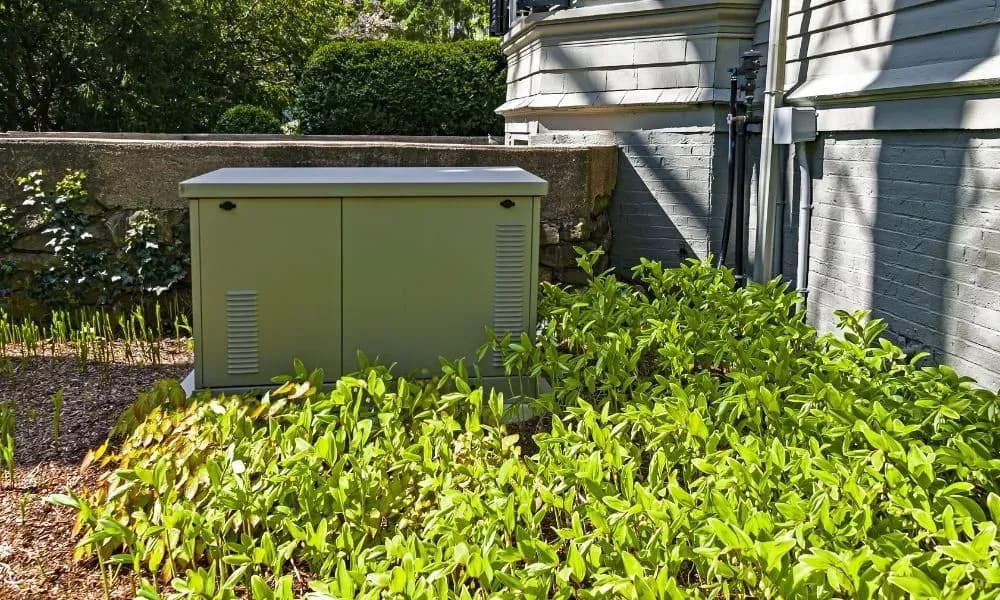
Things To Consider Before Buying a Whole-House Generator
It’s never a bad time to install a generator. You’re much better off having one and not needing it than needing one and not having it on hand.
Read more